
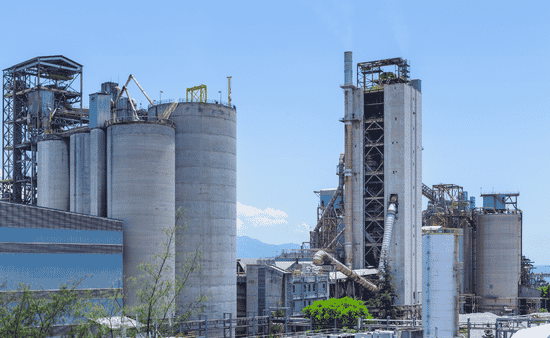
Fuel distribution is a critical aspect of many industries, ranging from transportation and manufacturing to agriculture and energy production. The smooth and efficient supply of fuel ensures that operations continue without interruption, contributing to productivity and profitability. Selecting the right fuel distribution company is therefore essential for businesses that rely heavily on fuel. This article outlines important factors to consider when choosing a fuel distributor to meet your specific needs.
Understanding Your Fuel Requirements
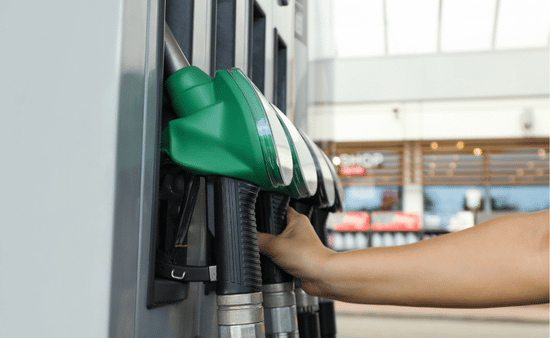
The first step in selecting a fuel distribution company is to clearly understand your fuel requirements. Different types of fuel are available in the market, such as diesel, petrol, kerosene, and heating oils, each suited for particular applications. Assess the volume you need on a regular basis, the frequency of deliveries, and the types of vehicles or machinery that will be using the fuel. Identifying these parameters helps narrow down distributors who specialise in supplying the type and quantity of fuel you require.
Evaluating Fuel Quality Standards
Fuel quality is paramount for operational efficiency and equipment longevity. Poor quality fuel can lead to engine damage, increased maintenance costs, and reduced performance. Therefore, it is important to choose a distributor that supplies fuel meeting recognised quality standards and regulations. Check whether the company conducts regular testing and provides certification for their fuel products to ensure compliance with industry benchmarks.
Assessing Delivery Capabilities
Delivery logistics are a significant consideration in fuel distribution. Timely delivery minimises downtime and operational disruptions. It is advisable to partner with a distributor that offers flexible delivery schedules tailored to your operations. Inquire about their fleet size, delivery range, and whether they provide emergency supply services in case of unexpected demand spikes.
Reviewing Safety Measures
Handling and transporting fuel involve inherent risks. A reliable fuel distribution company must follow stringent safety protocols to prevent accidents, spills, and environmental hazards. Verify the company’s adherence to health and safety regulations, employee training programmes, and emergency response plans. This evaluation ensures that your fuel supplies are managed in a responsible and secure manner.
Checking Licensing and Certifications
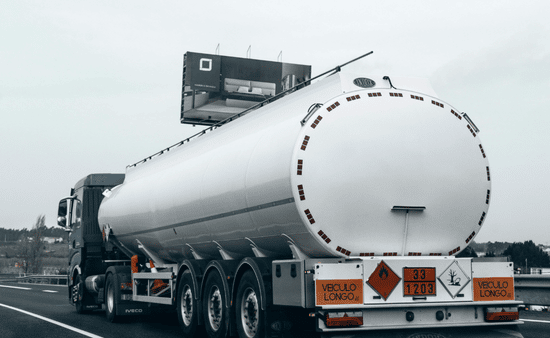
Fuel distributors are required to obtain various licences and certifications to operate legally. Partnering with a licensed distributor guarantees compliance with government regulations and quality assurance. Request evidence of relevant licences, such as fuel storage permits, transportation licences, and fuel trader authorisations. This step reduces the risk of dealing with unscrupulous operators.
Assessing Environmental Responsibility
Environmental concerns are increasingly important in fuel distribution. Many companies now adopt sustainable practices to reduce carbon footprints and limit pollution. When selecting a distributor, consider their environmental policies, such as the use of eco-friendly fuel options, waste management strategies, and commitments to reducing greenhouse gas emissions.
Understanding Pricing and Payment Terms
Pricing structures for fuel supply can vary based on volume, type of fuel, and market fluctuations. Obtain detailed quotations from potential distributors and compare them. Look beyond the price per litre to consider additional costs such as delivery charges, taxes, and potential penalties for contract breaches. Additionally, review their payment terms—whether they offer credit lines, prompt payment discounts, or flexible invoicing options that align with your financial processes.
Considering Customer Service and Support
Effective communication and support are vital throughout the supply relationship. Choose a fuel distribution company that provides dedicated account management, responsive customer service, and clear communication channels. Prompt resolution of issues and regular updates on fuel supply status contribute to a positive partnership.
Seeking Industry Experience and Reputation
Experience within the fuel distribution sector often translates to reliability and expertise. Research the company’s years in operation, client testimonials, and case studies. Well-established distributors tend to have developed efficient supply networks and crisis management capabilities which benefit their clients.
Reviewing Technology Integration
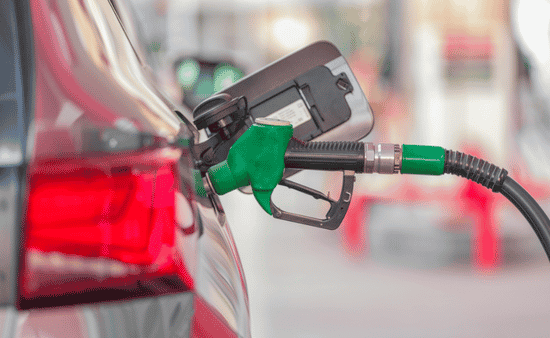
Modern fuel distribution companies incorporate technology to streamline operations. This includes digital ordering platforms, real-time tracking of deliveries, and automated billing systems. Such technologies increase transparency, reduce errors, and enhance operational efficiency. Prioritising distributors that invest in technological solutions can prove beneficial in managing supplies effectively.
Examining Contract Terms and Conditions
Fuel supply contracts should be clear, fair, and flexible. Scrutinise the terms related to delivery schedules, pricing adjustments due to market changes, liability clauses, and termination conditions. Having a well-defined contract protects both parties and fosters a stable business relationship.
Considering Scalability for Future Needs
Businesses often evolve, leading to changes in fuel consumption. Partnering with a fuel distribution company capable of scaling their services to match your growing or fluctuating demands is advantageous. Discuss their capacity to manage increased volumes, introduce new fuel types, or extend delivery areas as your operations expand.
Checking Geographic Coverage
The location of your operations influences your choice of distributor. Ideally, select a company with a strong presence or delivery capabilities within your operational regions. This ensures faster deliveries, reduces logistical complications, and can sometimes lower transportation costs.
Exploring Additional Services
Some fuel distributors offer complementary services such as fuel storage solutions, fuel management systems, and fuel efficiency consultations. These additional offerings can provide value-added benefits by optimising fuel usage, reducing wastage, and supporting operational sustainability.
Making an Informed Decision
Selecting the right fuel distribution company requires a balanced consideration of multiple factors including fuel quality, delivery reliability, safety practices, pricing, and support services. By undertaking thorough due diligence, assessing your specific needs, and prioritising factors essential to your operations, you can establish a successful partnership that ensures consistent fuel supply and contributes to your business’s overall efficiency.