
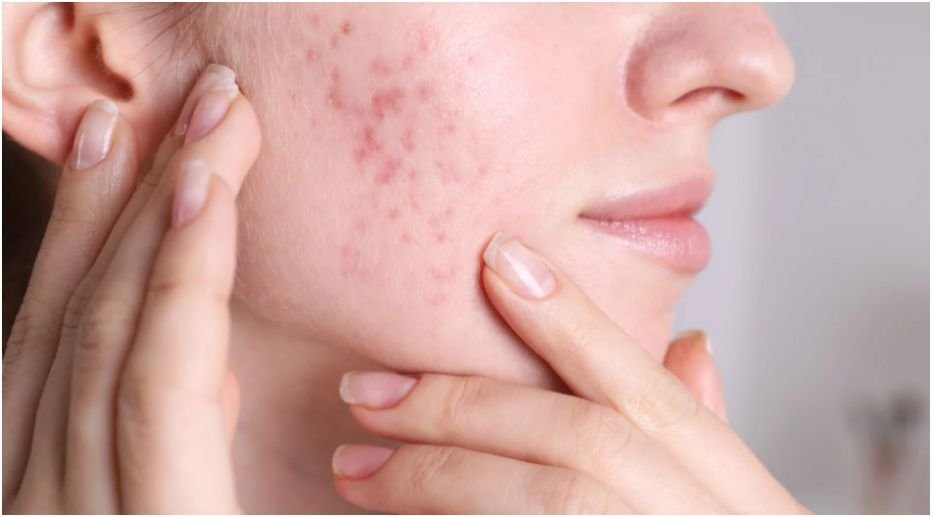
Acne is a common skin condition that affects many individuals regardless of age or gender. Managing acne requires a consistent and effective skin care routine tailored to address the specific needs of acne-prone skin. Selecting the appropriate products is crucial to mitigating breakouts, reducing inflammation, and promoting healthy skin renewal. Understanding the key components of an effective skin care range for acne treatment can lead to significant improvements in skin clarity and texture.
Understanding Acne and Its Causes
Acne occurs when hair follicles become clogged with oil, dead skin cells, and bacteria. This process leads to inflammation and the formation of various types of blemishes including blackheads, whiteheads, pimples, and cysts. Factors such as hormonal changes, stress, packaged food impact on long term health, and genetics can influence the severity and frequency of acne outbreaks. Hence, an effective treatment approach must consider these factors to manage the condition comprehensively.
The Importance of a Targeted Skin Care Range for Acne

Using a general skin care product that is not formulated for acne-prone skin may aggravate issues by causing excessive dryness or oiliness. A specialised skin care range for acne is formulated to balance the skin’s moisture, fight bacteria, and promote gentle exfoliation. Such ranges typically contain active ingredients proven to target different stages of acne development.
Key Ingredients in Acne Treatment Products
Effective acne treatment products often include ingredients such as salicylic acid, benzoyl peroxide, retinoids, niacinamide, and sulphur. Salicylic acid helps unclog pores and reduce inflammation, closely assisting in the prevention of new blemishes.
Benzoyl peroxide works by killing acne-causing bacteria, while retinoids promote skin cell turnover, reducing the chance of clogged follicles. Niacinamide helps regulate oil production and improve skin texture, while sulphur can reduce excess oil and has antimicrobial properties.
Benefits of Consistent Use of Acne Skin Care Products
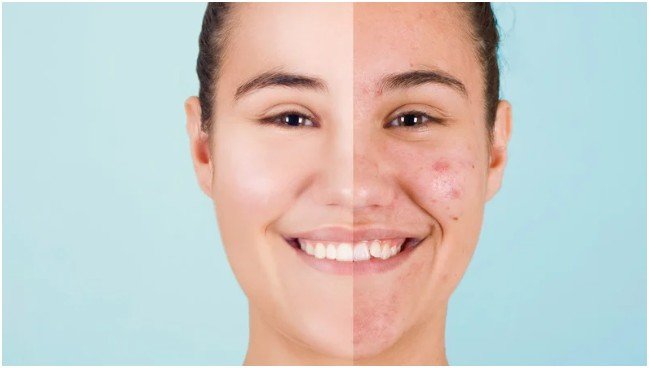
Consistency is key when treating acne. Using an effective skin care range for acne regularly helps maintain a balanced skin environment, reduces flare-ups, and supports the healing of blemishes.
Over time, this approach can lead to a reduction in acne severity and prevent scarring. Moreover, these products typically support healthy skin hydration, which is essential during treatment to avoid over-drying or irritation.
Choosing the Right Cleanser
A gentle but effective cleanser is fundamental in an acne care routine. Cleansers designed for acne-prone skin remove excess oil, dirt, and makeup without stripping the skin’s natural barrier. Cleansing twice daily, particularly in the morning and evening, prepares the skin for subsequent treatment products and enhances their efficacy.
Exfoliation and Its Role in Acne Care
Regular exfoliation helps remove dead skin cells that can clog pores, making exfoliation an integral part of any acne regimen. However, it is important to avoid harsh physical scrubs that may irritate the skin. Instead, chemical exfoliants containing ingredients like salicylic acid or alpha hydroxy acids (AHAs) provide gentle and effective exfoliation.
Moisturising Acne-Prone Skin
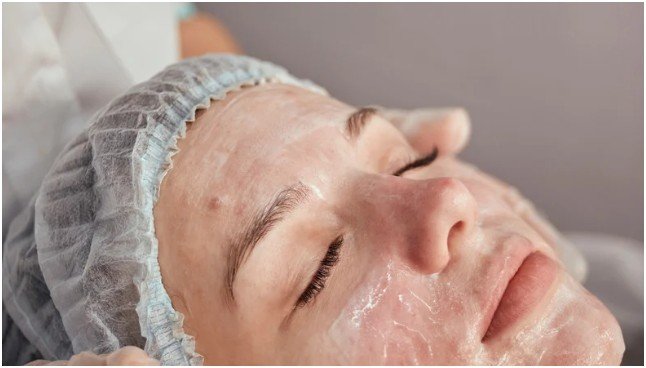
Contrary to common misconceptions, moisturising is necessary even for acne-prone skin. Appropriate moisturisers help maintain skin hydration and barrier function without contributing to oiliness or clogged pores. Non-comedogenic moisturisers in the skin care range for acne are ideal choices, as they deliver hydration while allowing the skin to breathe.
Incorporating Sunscreen in Acne Treatment
Sun protection is essential during acne treatment, especially when using products that increase sun sensitivity such as retinoids. A lightweight, non-comedogenic sunscreen that protects against UVA and UVB rays will prevent hyperpigmentation and safeguard skin health. Sunscreen should be applied daily as part of the skin care routine.
Professional Guidance and Acne Treatment
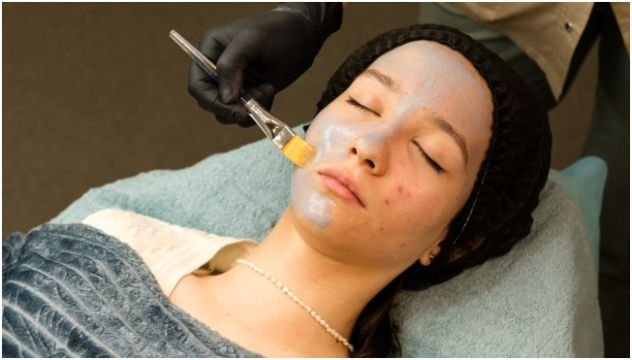
While over-the-counter products can be effective, more severe cases of acne may require professional intervention. Dermatologists can provide tailored treatment plans that may include prescription medications, procedural options, and recommendations for specific products. Combining professional advice with a suitable skin care range for acne enhances overall treatment success.
Monitoring Progress and Adaptation
It is important to monitor how the skin responds to acne treatment products. Some effects may take several weeks to manifest fully. If irritation or worsening symptoms occur, adjusting the routine or consulting a professional may be necessary. The chosen products should adapt to the skin’s evolving needs during treatment.
Conclusion
An effective skin care range for acne is essential to managing breakouts, reducing inflammation, and promoting healthier skin. Selecting products formulated with active ingredients suitable for acne-prone skin, maintaining a consistent routine, and incorporating sun protection are all vital components of successful acne control. When combined with professional ultimate guidance to buy and use, this comprehensive approach can significantly improve skin condition and confidence.
For those seeking targeted solutions, exploring a specialised skin care range for acne offers access to products designed to address various acne concerns while supporting overall skin health. Such an investment in the right products is a foundational step towards clearer, healthier skin.