
The role of Human Resources (HR) has evolved from a purely administrative function to a strategic powerhouse that drives organizational growth and culture. As businesses embrace digital transformation, HR technology (HR Tech) and artificial intelligence (AI) are reshaping how companies manage their workforce.
These innovations are not just automating tasks, they are enhancing the way we recruit, engage, develop, and retain employees, making HR more efficient, personalized, and data-driven than ever before. From AI-powered recruitment tools to predictive analytics that help reduce turnover, AI is empowering HR professionals to make smarter, faster, and more informed decisions. As we look toward the future of work, it’s clear that HR Tech and AI are at the forefront of this transformation.
What Is HR Tech and AI?
Before diving deeper into the transformation, it’s essential to understand the terms HR Tech and AI in the context of human resources.
HR Tech
HR Technology refers to the digital tools and platforms used by HR departments to streamline and improve various HR functions like payroll management, employee benefits administration, talent acquisition, and performance management. These tools are designed to automate repetitive tasks, improve efficiency, and enhance data accuracy, enabling HR teams to focus on strategic decision-making.
AI in HR
Artificial Intelligence in HR takes things a step further by incorporating machine learning, predictive analytics, and automation into HR processes. AI in HR can analyze vast amounts of data to identify patterns, predict employee behavior, and automate decision-making. This allows HR professionals to make data-driven decisions with greater accuracy and speed, from recruiting top talent to managing employee performance.
The Benefits of AI in HR Tech
1. Streamlined Recruitment Processes
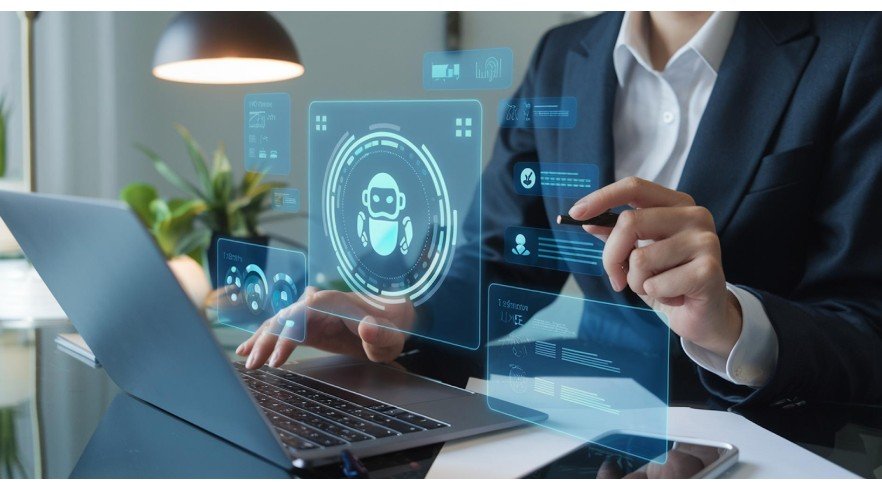
Recruitment is one of the most time-consuming and resource-intensive tasks for HR departments. AI-powered recruitment tools are automating this process by screening resumes, ranking candidates, and even predicting the likelihood of success for a given candidate.
This speeds up the hiring process, reduces human bias, and ensures that HR teams can focus on engaging with the best talent, rather than sorting through endless resumes.
2. Improving Employee Engagement
AI is not just transforming hiring; it’s also revolutionizing employee engagement. AI tools can analyze employee feedback, conduct pulse surveys, and measure sentiment to determine how employees are feeling about their work environment.
By gaining real-time insights into employee morale, HR teams can proactively address potential issues like low engagement or burnout, ensuring a happier and more productive workforce.
3. Enhancing Decision-Making with Predictive Analytics
One of the most powerful aspects of AI in HR is its ability to leverage predictive analytics. By analyzing past employee data, AI can predict future trends, such as employee turnover or performance potential.
For example, AI can identify high-risk employees who may be considering leaving the company and recommend retention strategies before it’s too late. This data-driven approach allows HR professionals to make proactive, rather than reactive, decisions.
4. Automating Administrative Tasks
AI can take care of routine administrative tasks like payroll processing, benefits administration, and data entry, which are traditionally time-consuming and prone to errors.
By automating these processes, HR departments can improve efficiency and reduce the chances of human error, allowing HR professionals to focus on more strategic activities that drive business growth.
5. Enhancing Diversity and Inclusion
Bias in hiring and promotion processes is a significant concern for many organizations. AI can help reduce this bias by evaluating candidates based on data-driven criteria rather than relying on human judgment alone. This leads to more fair and inclusive hiring practices, ensuring that diverse talent is evaluated based on their skills and qualifications.
How AI Is Transforming HR Operations
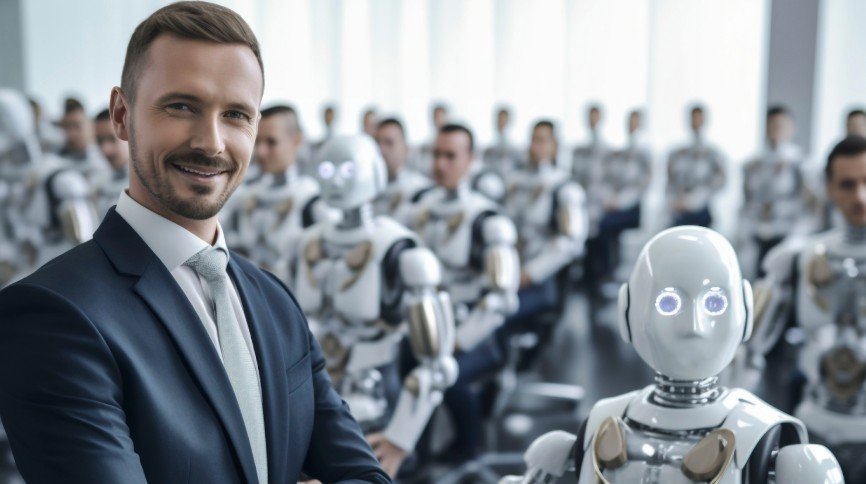
The influence of AI in HR operations extends far beyond hiring and recruitment. Here are some other ways AI is revolutionizing HR:
1. AI for Performance Management
AI is reshaping performance management by providing ongoing, data-driven feedback. Rather than relying solely on annual reviews, AI tools can track performance in real-time, offering insights into employee strengths and areas for improvement. This continuous feedback loop helps employees grow and develop, while also enabling managers to make more informed decisions regarding promotions, training, and bonuses.
2. AI in Learning and Development
AI is also making learning and development more personalized. By analyzing an employee’s learning style, performance, and career goals, AI tools can recommend personalized training programs and development opportunities. This level of customization leads to more effective learning and higher employee satisfaction.
3. AI and Employee Well-Being
Employee well-being is an area where AI is having a significant impact. With AI-powered tools, businesses can monitor employee well-being through real-time sentiment analysis and stress management tools. AI can even suggest ways for employees to improve their work-life balance or provide resources for managing mental health, contributing to a healthier and more resilient workforce.
The Future of HR Tech and AI
As AI continues to evolve, its impact on HR is only set to grow. Here are some exciting possibilities for the future of HR Tech and AI:
- AI-powered HR assistants that can handle everything from employee onboarding to performance reviews.
- Blockchain technology for verifying employee credentials and improving payroll security.
- AI-driven wellness programs that provide personalized health and productivity recommendations.
- Predictive AI models that not only forecast turnover but also suggest the optimal team structures for future growth.
The future of HR Tech and AI is incredibly promising, with innovations that promise to make HR functions faster, more efficient, and more tailored to individual needs.
Frequently Asked Questions
1. How does AI improve recruitment in HR?
AI improves recruitment by automating the screening process, ranking candidates based on their qualifications, and predicting candidate success in the role. This saves time and helps HR teams identify the best candidates faster.
2. Is AI replacing HR professionals?
AI is not replacing HR professionals; rather, it’s automating routine tasks, allowing HR teams to focus on more strategic initiatives such as talent development and employee engagement.
3. Can AI help improve employee engagement?
Yes! AI tools can analyze employee feedback, measure sentiment, and recommend strategies to improve employee engagement, which helps create a more motivated and productive workforce.
4. How can AI improve diversity in the workplace?
AI helps eliminate unconscious bias by focusing on objective criteria such as skills and qualifications, rather than relying on human judgment, ensuring a more diverse and inclusive hiring process.
Final Thoughts
The integration of HR Tech and AI is reshaping the way we think about human resources. These technologies not only streamline processes but also provide deeper insights, drive better decision-making, and create a more personalized employee experience.
As businesses continue to evolve, adopting AI-powered solutions in HR is essential for staying competitive and meeting the growing demands of today’s workforce. Embracing AI in HR doesn’t just improve efficiency, it empowers businesses to make smarter, data-driven decisions that lead to better outcomes for both employees and employers.