

The business world is evolving rapidly, and with it, the technologies that drive operations. Artificial Intelligence (AI) has already begun reshaping industries, but we’re now entering an exciting new chapter with multimodal AI. Multimodal AI combines multiple types of data text, images, video, and audio into unified systems, making AI applications smarter and more versatile.
As enterprises adopt multimodal AI, they gain the ability to make better decisions, automate more tasks, and optimize business workflows with greater accuracy. An executive looking to implement AI in your operations or just curious about the latest tech trends, this guide will provide you with actionable insights on multimodal AI and its impact on your organization.
What is Multimodal AI?
Multimodal AI refers to AI systems that process and analyze different types of data, such as text, images, audio, and video, in a cohesive manner. This contrasts with traditional AI models that are typically focused on one type of data. By combining multiple types of data, multimodal AI can create more holistic and intelligent solutions, enabling businesses to solve complex problems with more accurate and comprehensive insights.
For instance, a multimodal AI system in the healthcare industry might analyze textual medical records, images from X-rays, and audio from patient consultations to deliver a more accurate diagnosis. This ability to understand and process data from multiple sources makes multimodal AI much more powerful and applicable in real-world enterprise environments.
The Role of Multimodal AI in Enterprise Adoption
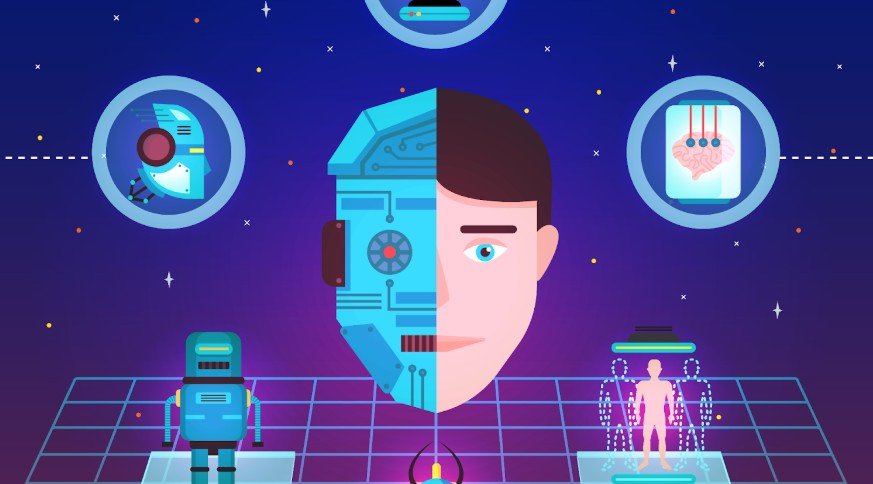
1. Enhancing Decision-Making and Automation
One of the key reasons enterprises are adopting multimodal AI is its ability to enhance decision-making and automate complex tasks. By integrating different forms of data, these systems provide a richer, more accurate understanding of any given situation. For example, AI can analyze customer service chat logs, call center audio, and purchase history data to predict customer needs and recommend next best actions automatically.
This ability to automate decision-making helps businesses make faster, data-driven decisions while reducing human error. The combination of data types leads to more contextual and personalized solutions for customers, which improves both efficiency and customer satisfaction.
2. Improving Customer Experience
As customer expectations continue to rise, multimodal AI is becoming an essential tool for delivering top-notch customer experiences. Chatbots and virtual assistants are enhanced by multimodal capabilities, allowing them to understand and respond to customers in more natural, intuitive ways. By processing voice, text, and visual inputs simultaneously, these AI tools can engage in deeper, more meaningful interactions with customers.
For instance, a customer may contact support via chat, upload a product image, and explain an issue via voice all of which can be analyzed by a multimodal AI system to provide a highly personalized, efficient response. This level of service leads to improved customer satisfaction, loyalty, and ultimately, higher retention rates.
3. Optimizing Operational Efficiencies
In the enterprise landscape, multimodal AI isn’t just about customer-facing applications. It’s also driving operational efficiencies within businesses. By enabling organizations to pull together disparate data from various sources, multimodal AI can automate and optimize internal processes, reducing redundancies and improving productivity.
For example, in supply chain management, multimodal AI can analyze real-time data from sensors (e.g., IoT), textual data from vendor communications, and video data from manufacturing processes to optimize inventory levels, predict supply chain disruptions, and improve resource allocation. This integration across functions helps businesses stay ahead of potential issues and scale operations smoothly.
Key Benefits of Multimodal AI for Enterprises
1. Improved Data Insights
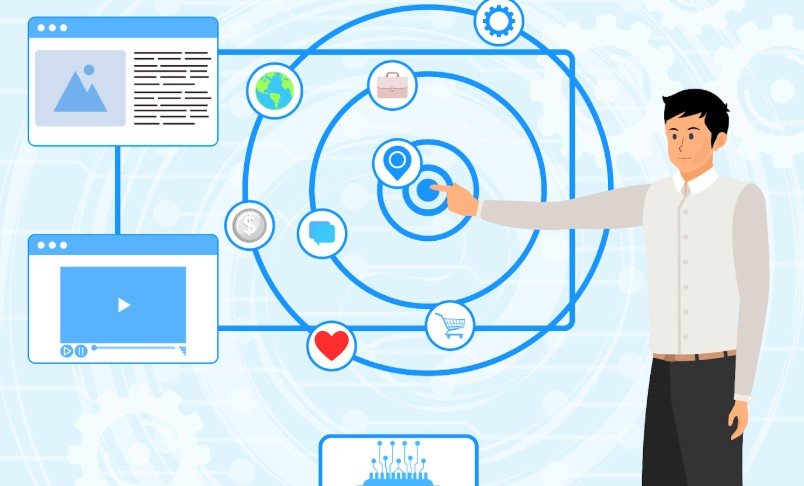
The integration of different data types creates more robust insights. By processing unstructured data like audio, images, and video alongside structured data, businesses gain a 360-degree view of their operations. These richer insights can improve everything from customer engagement to risk management.
2. Enhanced Operational Agility
As businesses grow and face increased competition, they must remain agile to survive. Multimodal AI enables businesses to adapt quickly by providing faster and more reliable data analysis. This helps organizations pivot quickly when market conditions change, new opportunities arise, or risks need to be addressed immediately.
3. Competitive Advantage
Adopting multimodal AI early gives enterprises a competitive advantage. By improving operational efficiency, decision-making, and customer experiences, businesses can gain higher market share, improve brand reputation, and become industry leaders. Companies that are slow to adopt this technology risk falling behind in a fast-paced digital world.
Challenges of Adopting Multimodal AI in Enterprises
While the benefits of multimodal AI are clear, there are some challenges enterprises need to consider before adopting it. Some of the main hurdles include:
1. Data Privacy and Security
Since multimodal AI involves processing a wide variety of data types some of which could be sensitive, businesses must ensure robust data privacy and security measures are in place. This includes ensuring compliance with regulations like GDPR and CCPA, as well as securing data during transfer and storage.
2. Integration with Existing Systems
Integrating multimodal AI with legacy systems can be a challenge. Enterprises often rely on outdated software that isn’t compatible with modern AI technologies. Transitioning to a more AI‑enabled infrastructure requires careful planning, testing, and sometimes significant investment in new tools or platforms.
3. Employee Training and Change Management
The success of multimodal AI adoption depends not only on technology but also on people. Employees must be trained to work with AI systems and understand how to leverage them effectively. Change management is key to ensuring smooth adoption and maximizing AI’s potential.
Frequently Asked Questions
1. What is multimodal AI?
Multimodal AI refers to AI systems that process and analyze multiple types of data—such as text, images, audio, and video in an integrated manner to provide more accurate, holistic insights.
2. How does multimodal AI improve customer experience?
By integrating different data types, multimodal AI can offer personalized customer interactions, whether through chatbots, virtual assistants, or customer service apps, making them more intuitive and responsive to customer needs.
3. What industries can benefit from multimodal AI?
Almost any industry can benefit from multimodal AI, including healthcare, retail, manufacturing, logistics, and finance, by improving decision-making, operational efficiency, and customer engagement.
4. What are the challenges of adopting multimodal AI?
Some challenges include data privacy and security concerns, the complexity of integrating AI into existing systems, and the need for employee training and effective change management strategies.
Final Words to Say
The adoption of multimodal AI in enterprises represents a significant leap forward in improving efficiency, decision-making, and customer experience. While there are challenges, the potential benefits far outweigh the obstacles. By embracing multimodal AI, businesses can stay ahead of the curve, driving innovation and gaining a competitive edge in an increasingly digital and data-driven world.
As AI continues to evolve, multimodal systems will play a crucial role in shaping the future of business. Now is the time for enterprises to leverage this technology to optimize workflows, boost productivity, and enhance customer satisfaction. The possibilities are endless, and the future of AI-powered enterprise operations is incredibly exciting.