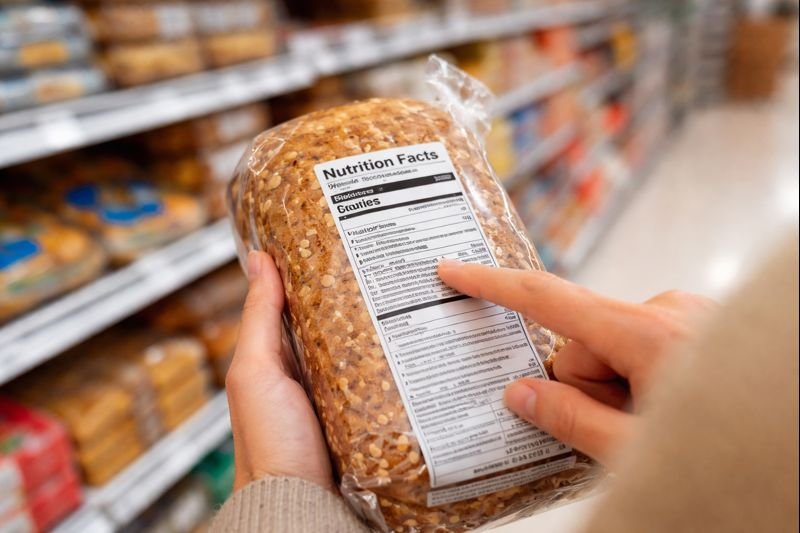
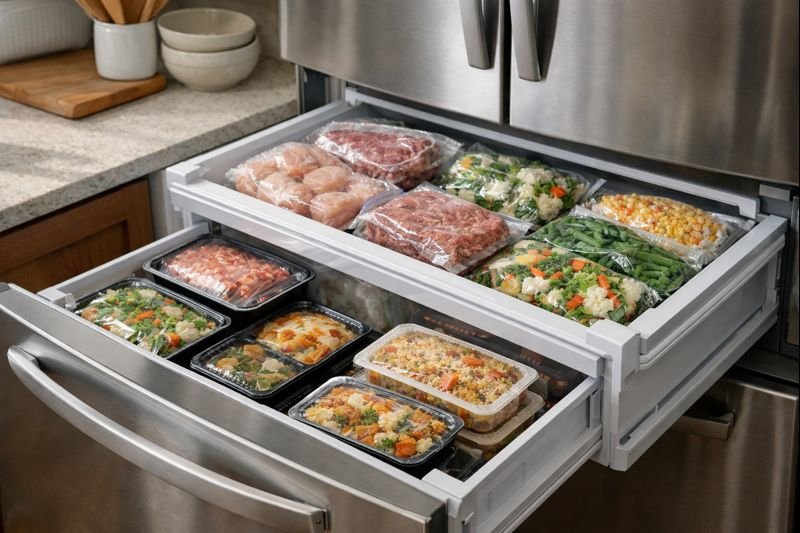
If you’ve ever pulled a frost-covered package from the back of your freezer and wondered whether it’s still okay to eat, you’re not alone. In many U.S. households, freezers quietly turn into long-term storage units for bulk grocery hauls, meal-prepped dinners, and leftovers we swear we’ll get to “next week.” Weeks turn into months, and suddenly the date on the label feels like a guess.
Understanding how long frozen food stays safe to eat isn’t about fear; it’s about clarity. When you know what freezing actually does to food, and where safety ends, and quality begins, you stop wasting food and start using your freezer with confidence.
What Freezing Really Does To Food Safety
Technically speaking, food stored continuously at 0°F (-18°C) or below remains safe to eat indefinitely. Freezing doesn’t kill bacteria, yeast, or mold; it puts them into a dormant state. Think of it as hibernation. As long as food stays frozen solid, those microbes can’t grow or multiply.
What does change over time is quality. Flavor dulls. Texture dries out. Color fades. These changes come from chemical reactions and moisture loss, not from spoilage in the traditional sense. That’s why frozen food can be “safe” but no longer enjoyable.
In most American kitchens, freezer consistency is the real variable. Door openings, overstuffed shelves, or older appliances can cause temperature swings that speed up quality loss even when food remains technically safe.
How Long Do Different Foods Stay High Quality In The Freezer
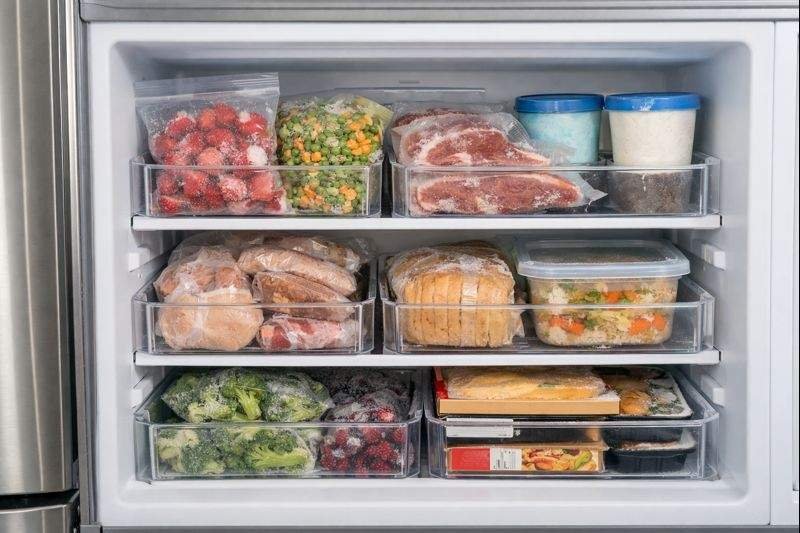
Here’s where real-life decisions matter. While safety may be indefinite, these timeframes reflect peak quality when food still tastes as it should.
Meat And Seafood Storage Timelines
Raw meats generally hold quality longer than cooked ones because cooking drives out moisture before freezing.
- Raw Poultry
Whole chicken or turkey: up to 12 months
Poultry pieces (breasts, thighs): about 9 months - Raw Red Meat
Steaks, roasts, and chops stay high quality for 4 to 12 months, depending on fat content. - Ground Meats
Ground beef, hamburger, and ground poultry are best used within 3 to 4 months. - Processed Meats
Bacon, sausage, hot dogs, and deli meats lose quality quickly and are best within 1 to 2 months. - Fish
Lean fish like cod or tilapia: 6 to 8 months
Fatty fish like salmon or tuna: best within 2 to 3 months
In the U.S., this matters especially for people who buy bulk meat packs from warehouse stores. Portioning and wrapping properly can make the difference between great meals and freezer-burned disappointment.
Freezing Vegetables And Fruits The Right Way
Vegetables and fruits tend to freeze well, but prep makes a huge difference.
Vegetables usually keep peak quality for 8 to 12 months, especially when blanched before freezing. Blanching, a quick boil followed by an ice bath, stops enzyme activity that causes color and texture loss. That’s why frozen green beans from the store hold up better than unblanched home-frozen ones.
Fruits also last 8 to 12 months, with some variation:
- Berries and apples often last a full year
- Citrus fruits decline faster, usually around 3 months
For families freezing produce from summer farmers’ markets or backyard gardens, these timelines help plan usage before quality slips.
Ready Meals, Leftovers, And Convenience Foods
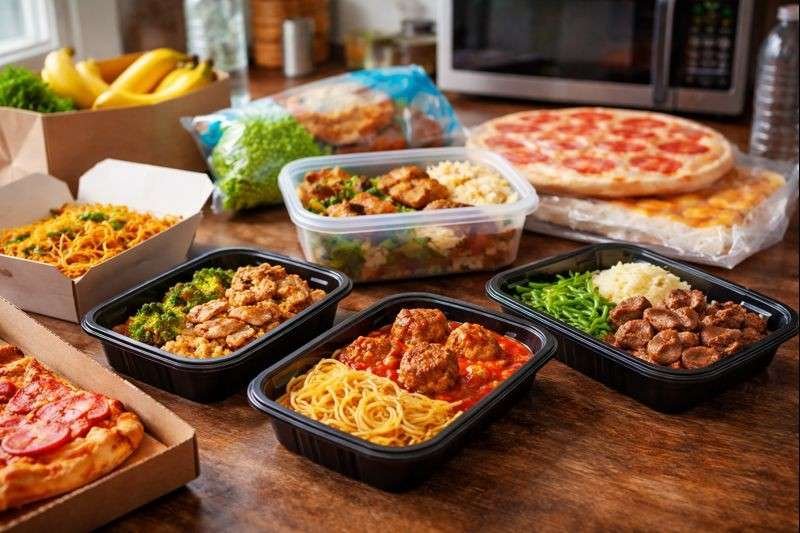
Freezers are lifesavers for busy American schedules, but cooked foods have shorter quality windows.
- Frozen Casseroles And TV Dinners
Best within 3 to 4 months - Cooked Meat Or Poultry Dishes
Soups, stews, and saucy dishes hold up best for 2 to 3 months - Pizza
Frozen leftover pizza is best within 1 to 2 months
Moisture content matters here. Dishes with sauces freeze better than dry foods, which lose texture faster.
Quality Versus Safety: Knowing When To Toss Food
Freezer burn looks scary, but it’s usually a quality issue, not a safety one. Those grayish patches form when moisture escapes and oxidizes the food’s surface. You can often trim affected areas and still use the rest, especially in soups or stews.
What does mean toss it ” mean?
- Sour or off odors after thawing
- Slimy texture in meats that weren’t slimy before freezing
- Food that thawed above 40°F for too long
Trust your senses. Once food is thawed, they’re still your best defense.
What To Do After A Power Outage Or Accidental Thaw
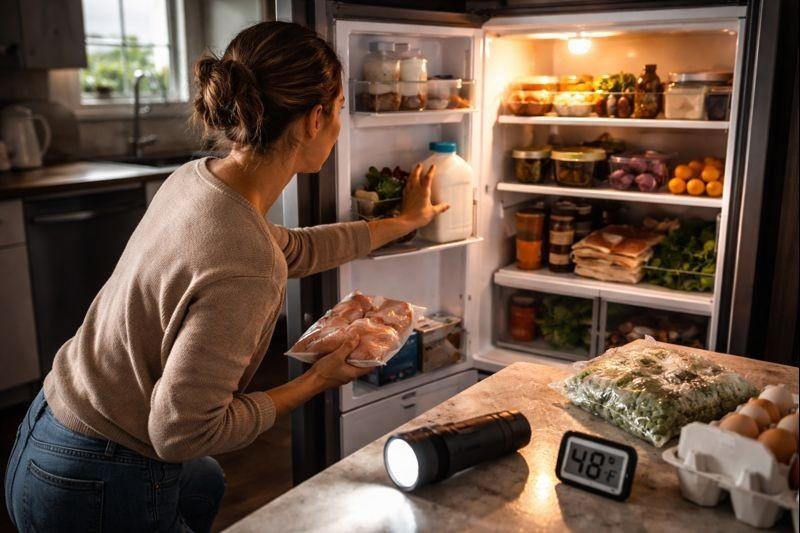
This is a real concern across many parts of the U.S., especially during storms and heat waves.
As long as food stays frozen solid, it remains safe. A full freezer can hold temperature for about 48 hours; a half-full freezer for roughly 24 hours.
If food partially thaws but still has ice crystals and stays below 40°F, it can be safely refrozen, though quality may drop. Once food warms above 40°F for more than two hours, safety becomes questionable.
One Simple Freezer Habit That Saves Food
One small change makes a big difference:
- Label everything with the freeze date
- Keep similar items grouped together
- Avoid overpacking so air can circulate
This isn’t about perfection; it’s about visibility. When you know what you have, you use it.
Frequently Asked Questions (FAQs)
1. Is It Safe To Refreeze Food That Has Thawed?
Yes, if it stayed below 40°F and still contains ice crystals. Expect some quality loss, but safety isn’t compromised.
2. Does Freezer Burn Mean Food Is Unsafe?
No. Freezer burn affects taste and texture, not safety. You can trim affected areas if the food smells normal.
3. How Long Can Frozen Food Stay Safe During A Power Outage?
Up to 48 hours in a full freezer and 24 hours in a half-full one, as long as food stays frozen solid.
4. Should Frozen Food Be Thawed On The Counter?
No. Always thaw in the refrigerator, cold water, or microwave to prevent bacteria from multiplying.
Final Thoughts
Knowing how long frozen food stays safe to eat gives you control over your budget, your meals, and your peace of mind. Freezing is one of the most reliable food-safety tools we have, but it works best when paired with realistic expectations about quality. When you understand what your freezer can and can’t do, you stop second-guessing every frosty package and start using what you already have with confidence.
A well-managed freezer isn’t about rules. It’s about smarter habits that make everyday cooking easier.