The integrity of a building over time can become compromised due to multiple factors, including environmental stressors, aging materials, and construction flaws. This is where remedial building services step in as a crucial player in property maintenance and restoration. Understanding the full scope of these services is essential for property owners and managers who are entrusted with the upkeep of structures that are not only functional but also safe for occupants.
The Significance of Remedial Building Services

Remedial building services encompass a broad range of interventions aimed at correcting defects and prolonging the lifespan of buildings. Structures with historical significance, high-rise commercial properties, or residential buildings may all require remedial work to address specific issues that arise from the normal wear and tear of components or more serious structural concerns.
Identifying the Need for Remedial Intervention
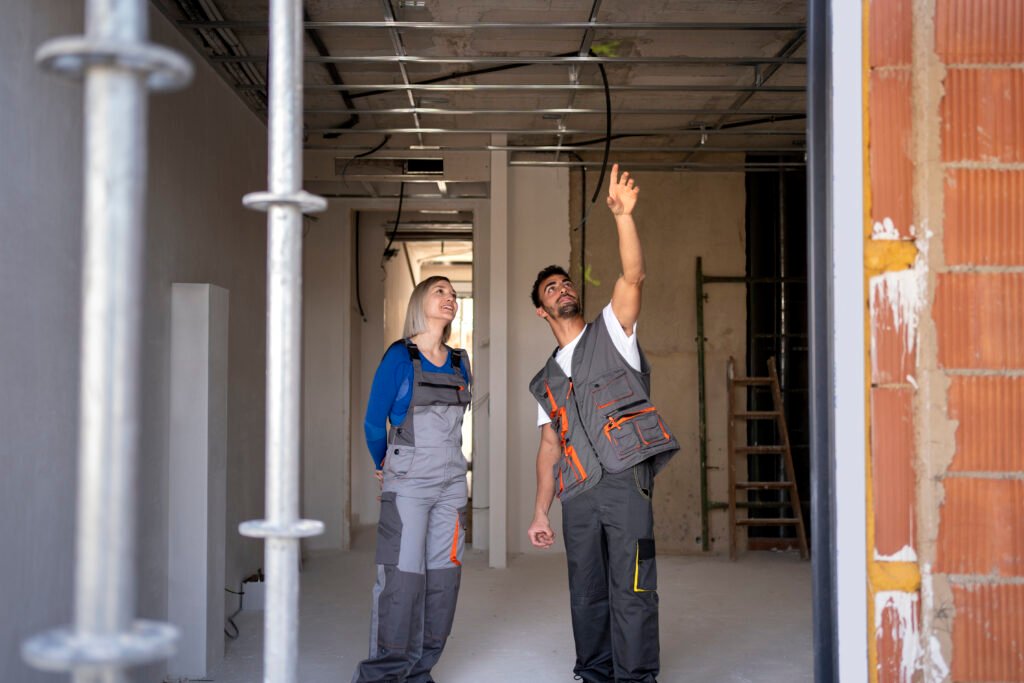
Before remedial action is taken, a thorough building inspection is typically conducted to identify the specific areas in need of attention. This diagnostic process involves assessing visible signs of damage such as cracks, water infiltration, and concrete spalling, as well as using non-invasive techniques to detect hidden defects. Following the identification of these issues, a clear remedial building plan can be developed.
Range of Remedial Services
Remedial work on structures encompasses various services, each tailored to address specific issues with focused solutions. These might include concrete cancer repair, facade refurbishment, waterproofing, structural reinforcement, and building recladding. The expertise of remedial professionals is crucial in navigating these multifaceted challenges.
By investing in professional remedial services, you can grow your business by ensuring the longevity and reliability of your property portfolio.
Professional Expertise in Remedial Services
The selection of a professional team for carrying out remedial building services is an imperative decision which affects the longevity of remedial efforts. Experienced professionals possess both the technical skills and the practical knowledge necessary to prioritise safety and effectiveness while performing restoration and reinforcing works.
Collaboration with Structural Engineers
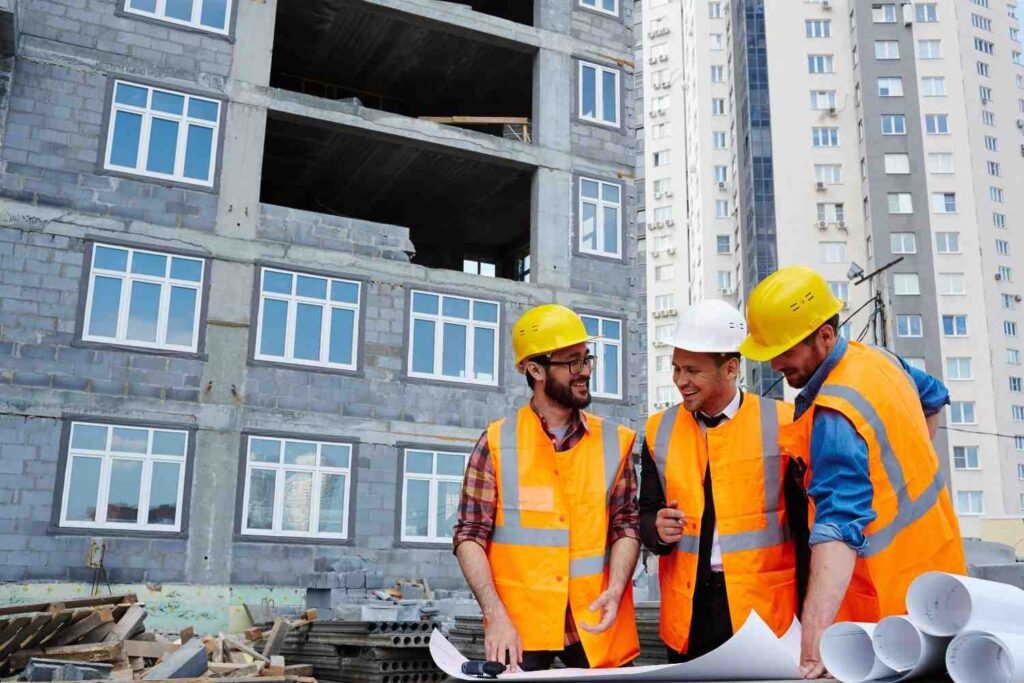
Remedial projects often involve collaboration with structural engineers to ensure that all interventions are sound and in compliance with regulations. These specialists provide authoritative guidance on fortifying building structures, preventing future damage, and making sure that repairs adhere to established building codes and standards.
The Impact of Technology on Remedial Services
In recent years, advancements in technology have immensely contributed to the field of building restoration. Techniques such as 3D modelling, drone inspections, and digital structural analysis play a pivotal role in detecting precise areas of weakness and orchestrating strategic remedial work. These modern tools enable service providers to extend the life of buildings with greater accuracy and efficiency.
Materials and Techniques in Building Remediation
Selecting appropriate materials is another critical element of the remediation process. The use of high-quality, durable materials, combined with advanced application techniques, ensures that repairs are not only cosmetic but also structurally sound. Innovations in material sciences frequently introduce better options for the restoration industry, serving to enhance the effectiveness of remedial endeavours.
Environmental Considerations and Sustainability
Today’s remedial building services are not just about restoring structures; they also emphasise sustainability and environmental responsibility. Implementing green practices during remediation can lead to energy efficiency, waste reduction, and the minimisation of environmental impact. This reflects a broader recognition of the role of the construction industry in fostering a sustainable future.
Long-term Maintenance and Preventative Strategies
A crucial extension of remedial work is the development of maintenance programs. These proactively curated schedules of upkeep can greatly prevent the recurrence of defects, reducing the need for extensive remedial intervention in the long term. Regular monitoring and preventative measures ensure that minor issues are caught and addressed promptly, safeguarding the building and its occupants’ wellbeing.
Regulatory Compliance and Safety
Compliance with building codes and safety standards is non-negotiable in the performance of remedial building services. These norms guide the repair methodologies and ensure that the structural integrity of the building meets legal requirements. Safety remains paramount, not only for the workers carrying out the repairs but also for end-users of the building.
Choosing the Right Remedial Service Provider
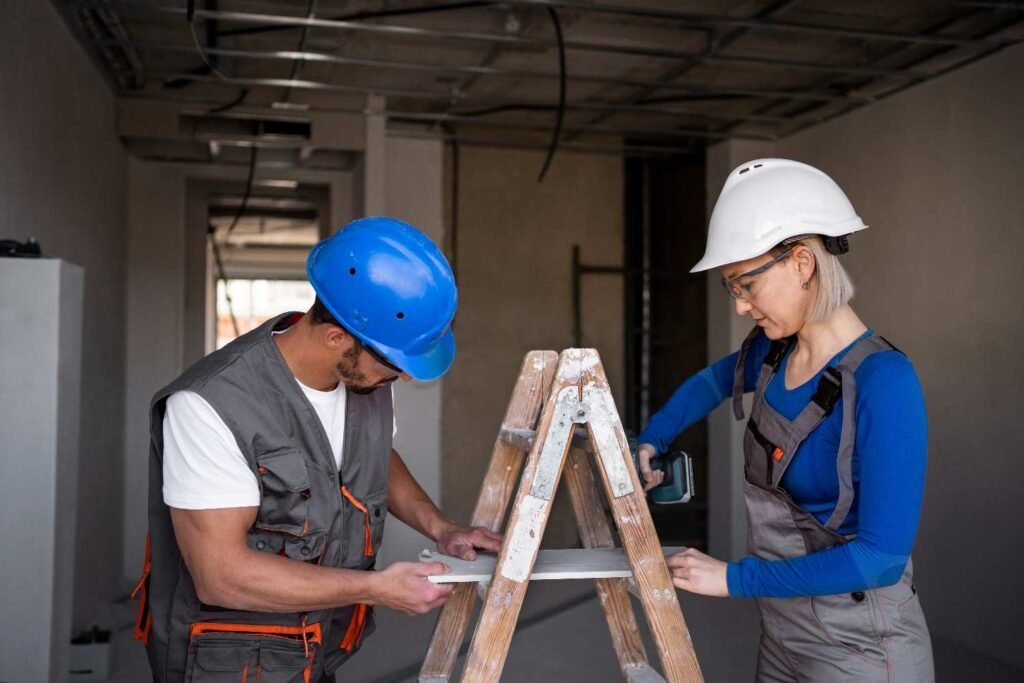
Choosing a reputable provider of remedial building services involves due diligence. One must consider a firm’s past projects, expertise, certifications, and commitment to quality. A provider with a proven track record of successful remediation projects is often a reliable choice to entrust with the health of a valuable building asset.
Conclusion
The role of remedial building services is an integral part of property maintenance and conservation. From historic restorations to modern high-rises, these services ensure the continued safety, functionality, and architectural design value of buildings. By prioritising structural integrity, embracing sustainable practices, and adhering to regulatory standards, remedial work plays a vital role in the preservation and rejuvenation of our built environment.
Building owners, managers, and stakeholders who invest in skilled remedial services not only contribute to extending the life of their structures but also uphold a commitment to the welfare of its occupants and the broader community. Thus, remedial building services are much more than a repair; they are an essential investment in the future of our buildings and urban landscapes.