

As someone who’s been through the process myself, I can tell you firsthand that estate planning is one of the most important things you can do to ensure your assets are protected and passed on according to your wishes.
While it may seem complicated or even uncomfortable to think about, proper estate planning will provide peace of mind for both you and your loved ones. In this blog, I’ll walk you through the essential steps of estate planning, the key documents you’ll need, and some important tips to get started.
Why Estate Planning Matters
Estate planning isn’t just for the wealthy or elderly. It’s for anyone who has assets, dependents, or desires to control how their estate is handled after their passing. Without a plan in place, state laws determine your assets are distributed, which might not align with your wishes.
For example, probate is the legal process that happens after someone dies, where a court determines how assets should be distributed. A proper estate plan can help you avoid this lengthy, costly, and public process.
Key Benefits of Estate Planning:
- Control over your assets: Decide who gets what and when.
- Avoid family conflict: Clearly define your wishes to reduce the chance of disagreements.
- Reduce taxes: Proper planning can minimize estate and inheritance taxes.
- Plan for minor children: Appoint a guardian for your kids if something happens to you.
Let’s break down the basics of estate planning.
Essential Estate Planning Documents
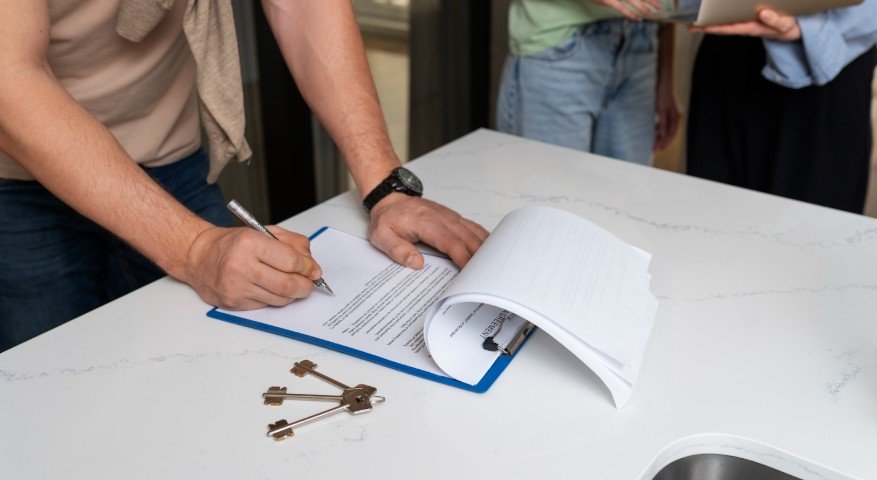
When people think about estate planning, they often think about a will. But, there’s more to it than just that. Here are the essential documents you’ll need to ensure your estate plan is comprehensive.
1. Last Will and Testament
A will is the foundation of most estate plans. This document outlines who will inherit your assets, appoints guardians for any minor children, and specifies your wishes for funeral arrangements.
Without a will, the court decides how your property is distributed, and it may not be in line with what you would have wanted. Having a will in place ensures that your wishes are followed.
2. Trusts
While a will is important, a trust can be even more powerful. Trusts allow you to transfer assets to beneficiaries without going through probate. They can also be used to manage property if you become incapacitated. There are many types of trusts, but the two main types are:
- Revocable Trust: Can be changed or revoked during your lifetime. This is commonly used to avoid probate.
- Irrevocable Trust: Once created, this cannot be altered. It is often used to remove assets from your estate for tax purposes.
3. Power of Attorney (POA)
A Power of Attorney allows you to appoint someone to make decisions on your behalf in the event you become incapacitated. There are different types of POA, including financial and medical, and it’s critical to have both in place to ensure someone can manage your affairs if you’re unable.
4. Health Care Directive
A health care directive (also known as a living will) is a document that outlines your wishes for medical treatment in case you are unable to communicate them yourself. It can specify whether you want life-sustaining treatments, organ donation, or palliative care.
Common Estate Planning Mistakes to Avoid
While estate planning is essential, many people make mistakes along the way. Here are some common pitfalls to avoid:
1. Not Updating Your Will Regularly
Life changes, and so should your estate plan. Major life events like marriage, divorce, the birth of children, or the death of a beneficiary are all reasons to update your will and other estate planning documents.
2. Not Considering Tax Implications
Estate planning is about more than just distributing your assets; it’s also about minimizing taxes. Failing to understand the estate tax or inheritance tax laws in your state could result in a significant tax burden for your heirs. Make sure to consult with a financial planner or attorney to minimize your tax liabilities.
3. Not Planning for Digital Assets
We live in a digital world, and many of our assets are now online from social media accounts to cryptocurrency. You must include instructions on how to manage and distribute your digital assets in your estate plan. Apps like Everplans or password managers like LastPass can help secure and share important digital information.
4. Failing to Communicate Your Wishes
Your family members may not be aware of your wishes unless you communicate them clearly. Don’t leave your loved ones guessing about your funeral preferences or who should be your children’s guardian. Discuss your estate plan openly with your family members so they can understand and respect your wishes.
How to Get Started with Estate Planning

The thought of planning for the future can feel overwhelming, but getting started doesn’t have to be complicated. Here are a few simple steps you can take today:
1. Start with a Will
If you haven’t already, create a simple will. It doesn’t have to be complex, but it should include the basics like asset distribution, guardianship for minor children, and funeral arrangements.
2. Consult an Estate Planning Attorney
Estate planning is a highly personal process, and it’s always a good idea to consult with an attorney who specializes in estate law. They can guide you through the legal complexities and ensure that your estate plan is valid and comprehensive.
3. Consider a Trust
If you have significant assets or want to avoid probate, consider setting up a trust. A financial advisor or estate planner can help you decide whether a trust is right for you.
4. Review and Update Your Plan Regularly
As your life evolves, so should your estate plan. Review your plan every few years and update it after major life events.
Frequently Asked Questions (FAQs)
1. What is the difference between a will and a trust?
A will outlines who gets your assets after you pass away, while a trust allows your assets to pass directly to beneficiaries without going through probate.
2. Why should I have a power of attorney?
A power of attorney allows someone to make decisions on your behalf if you become incapacitated. This ensures that your financial and medical decisions are handled according to your wishes.
3. Can I create an estate plan without a lawyer?
Yes, you can create a basic estate plan on your own using online tools. However, consulting with a lawyer is recommended for more complex situations or if you want to ensure everything is legally sound.
4. How often should I update my estate plan?
You should review and potentially update your estate plan every 3-5 years or after major life events, such as marriage, divorce, the birth of children, or the death of a beneficiary.
Final Thoughts
Estate planning doesn’t have to be daunting. With the right guidance, you can ensure that your wishes are honored, your family is taken care of, and your assets are protected. By starting early and keeping your plan up to date, you can rest easy knowing that your legacy will be in good hands. Estate planning is not just about distributing assets; it’s about making thoughtful decisions regarding health care, guardianship, and financial security for your loved ones.
This includes setting up a trust, creating a will, or designating beneficiaries all important steps that bring you closer to peace of mind. The process doesn’t have to be overwhelming; with the right professionals and tools, you can create a plan that reflects your values and ensures your family’s future is safeguarded.