
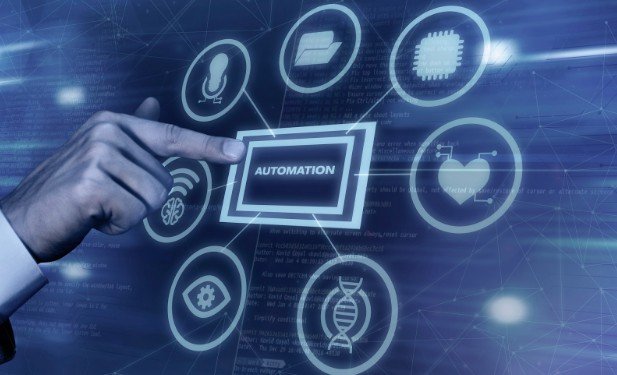
As businesses continue to navigate a rapidly changing landscape, the adoption of intelligent operations powered by AI has become a critical factor in maintaining a competitive edge. Automating routine tasks to make data-driven decisions in real-time, intelligent operations combine artificial intelligence, machine learning, and automation to transform the way organizations run.
This shift is not only enhancing operational efficiency but also paving the way for more agile, responsive, and innovative business models.
What Are Intelligent Operations?
At its core, intelligent operations refers to the integration of AI, automation, and data analytics into everyday business processes. This combination allows businesses to automate routine tasks, improve operational efficiency, and make real-time decisions based on predictive data.
In traditional business operations, processes were often siloed, manual, and slow. However, with intelligent operations, businesses can:
- Optimize workflows and reduce inefficiencies.
- Improve decision-making with AI-powered insights.
- Enhance customer experiences by automating support and communication.
- Predict trends and take proactive actions to stay competitive.
By integrating these technologies, intelligent operations enable organizations to become smarter, faster, and more resilient in the face of market changes.
How AI Drives Intelligent Operations
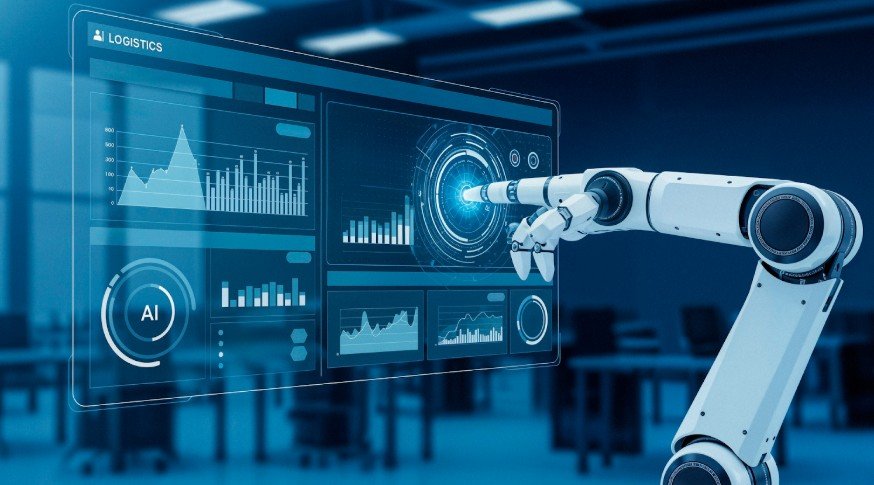
AI is the backbone of intelligent operations. From machine learning algorithms that analyze data patterns to predictive analytics that forecast trends, AI empowers businesses to make smarter decisions. Here’s how AI is shaping intelligent operations:
1. Automation of Repetitive Tasks
One of the most significant advantages of intelligent operations is the ability to automate time-consuming and repetitive tasks. AI-powered automation tools can handle tasks such as:
- Data entry and processing
- Customer inquiries and support
- Invoice generation and payroll
- Employee scheduling
This frees up valuable time for employees to focus on more strategic and creative activities, ultimately increasing productivity across the organization.
2. Real-Time Decision-Making
AI systems enable real-time data analysis, allowing businesses to make faster, more informed decisions. By analyzing data as it comes in, AI can highlight potential issues, trends, or opportunities that require immediate action. For example, AI can predict inventory shortages, customer service bottlenecks, or supply chain disruptions before they become significant problems.
By integrating AI into business processes, companies can respond to market changes faster than ever, providing them with a competitive advantage.
3. Predictive Analytics and Forecasting
AI’s ability to predict future outcomes based on historical data is one of its most powerful features. Predictive analytics allows businesses to forecast trends, customer behavior, and market shifts, helping them plan ahead. For instance, businesses can predict:
- Customer demand for products or services
- Employee turnover rates
- Market fluctuations or supply chain disruptions
By leveraging AI-driven predictive insights, businesses can make data-backed decisions that align with long-term goals and mitigate potential risks.
4. Enhanced Customer Experiences
AI is also revolutionizing customer service and engagement. Chatbots, virtual assistants, and automated help desks powered by AI can provide customers with 24/7 support and personalized interactions. These AI tools can understand customer queries, provide relevant answers, and escalate issues to human agents when needed.
By automating customer interactions, businesses can offer a seamless, consistent, and faster experience, ultimately boosting customer satisfaction and loyalty.
The Key Benefits of Intelligent Operations

Adopting intelligent operations powered by AI offers numerous benefits for businesses:
1. Improved Operational Efficiency
AI’s ability to automate tasks, analyze data, and optimize processes can drastically improve operational efficiency. Businesses can reduce bottlenecks, eliminate inefficiencies, and ensure that workflows run smoothly. By streamlining operations, businesses can lower costs, improve resource allocation, and increase productivity.
2. Data-Driven Decision-Making
AI helps businesses move from gut-based decisions to data-driven insights. With real-time analytics and predictive modeling, businesses can make more informed decisions that align with their goals. Whether it’s optimizing marketing campaigns, improving employee retention, or refining product development, AI ensures that decisions are backed by solid data.
3. Scalability and Agility
Intelligent operations allow businesses to scale quickly without sacrificing performance. As AI automates processes, businesses can expand their operations without needing to hire additional staff for every new task. Additionally, businesses can adapt to changing market conditions more quickly, whether it’s responding to new customer demands or adjusting to economic shifts.
4. Cost Reduction
By automating tasks, predicting trends, and improving decision-making, businesses can significantly reduce operational costs. AI minimizes human error, reduces the need for manual labor, and helps businesses make more efficient use of resources. For example, AI can help optimize supply chain operations to avoid overstocking or stockouts, saving money on inventory management.
The Future of Intelligent Operations

As AI and machine learning technologies continue to evolve, the future of intelligent operations looks even more promising. Some of the most exciting developments we can expect include:
1. Hyper-Automation
The future will likely see an increase in hyper-automation, where AI integrates with robotic process automation (RPA) and other technologies to automate nearly every aspect of business operations. This could include everything from automating the product design process to handling complex supply chain management tasks.
2. Advanced Predictive Capabilities
With the growing power of AI, businesses will have even more advanced predictive capabilities, enabling them to anticipate market changes, customer needs, and operational challenges before they arise. This will allow businesses to stay ahead of the competition and make proactive decisions rather than reactive ones.
3. Enhanced Personalization
As AI continues to learn and adapt, businesses will be able to offer even more personalized experiences for their customers. AI will be able to analyze vast amounts of customer data to tailor products, services, and marketing efforts to individual preferences, resulting in a more customized and impactful experience for each customer.
Frequently Asked Questions
1. What are intelligent operations in business?
Intelligent operations refer to the integration of AI, automation, and data analytics to optimize business processes, make smarter decisions, and improve efficiency across the organization.
2. How does AI improve business operations?
AI improves business operations by automating repetitive tasks, providing real-time analytics, enabling predictive insights, and improving decision-making processes with data-driven intelligence.
3. What industries benefit from intelligent operations?
Almost every industry can benefit from intelligent operations, including finance, healthcare, manufacturing, retail, and logistics, by streamlining processes, improving efficiency, and enhancing customer experiences.
4. How can businesses implement intelligent operations?
Businesses can implement intelligent operations by adopting AI-powered tools, automating workflows, using predictive analytics to guide decisions, and integrating data-driven insights into day-to-day operations.
Key Takeaways
The rise of intelligent operations powered by AI is transforming how businesses operate, making them smarter, more efficient, and more agile. By automating repetitive tasks, improving decision-making with real-time insights, and enabling predictive capabilities, AI is helping organizations stay competitive in an increasingly fast-paced world.
As we look toward the future, the possibilities for AI-driven operations are endless, and businesses that embrace these innovations will be better positioned for success. Now is the time to start integrating intelligent operations into your business and take full advantage of what AI has to offer.