
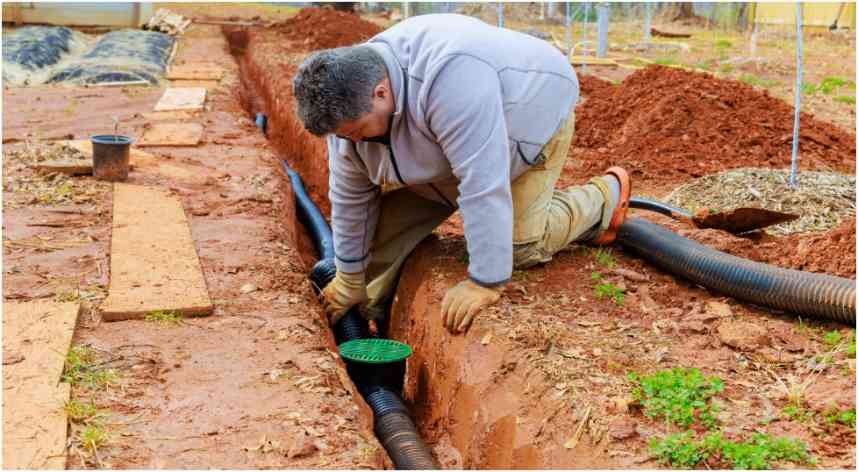
Effective drainage systems are crucial for managing surface water and preventing damage to buildings and landscapes. Among the various drainage solutions available, the strip drain stands out for its practicality and efficiency. This article provides a comprehensive overview of strip drains, detailing their installation process and outlining the benefits they offer.
What is a Strip Drain?
A strip drain is a narrow, linear drainage channel designed to collect and convey surface water away from vulnerable areas. Typically made from durable materials such as polymer concrete or plastic, strip drains are installed flush with the surface, allowing water to flow into the channel while maintaining a flat, unobstructed walking or driving surface. They are commonly used in residential, commercial, and industrial settings for effective water management.
Applications of Strip Drains
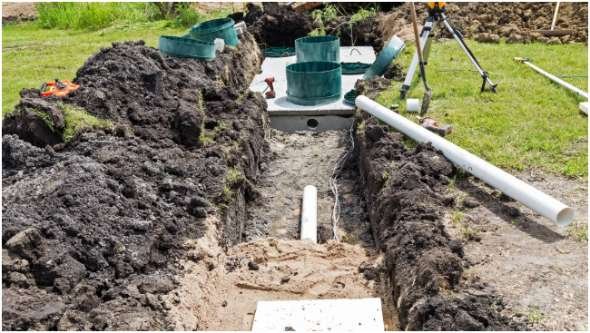
Strip drains are versatile and are suited for a wide range of uses. They are commonly installed along driveways, patios, paved walkways, and around building perimeters to prevent water pooling and surface flooding.
Additionally, they are used in car parks and sports facilities to manage stormwater effectively. Their slim profile makes them particularly ideal for locations where aesthetics and space constraints are important.
Materials Used in Strip Drains
Modern strip drains are manufactured from various materials depending on their application. Polymer concrete provides excellent strength and durability, making it suitable for areas experiencing heavy vehicular traffic.
Plastic versions, often made from high-density polyethylene (HDPE), offer lightweight and corrosion-resistant alternatives for light to medium duty drainage needs. Choosing the correct material is essential to ensure longevity and performance.
Installation Process of Strip Drains
Proper installation of strip drains is critical to their effectiveness. The process generally involves several key steps which, if carried out correctly, ensure optimal drainage and structural integrity.
Site Assessment and Planning
Before installation, it is important to conduct a site assessment to understand the drainage requirements. Factors such as ground slope, expected water volume, and soil type influence the design and placement of strip drains. Planning also involves selecting suitable outlet points for water discharge, ensuring compliance with local regulations.
Excavation and Preparation
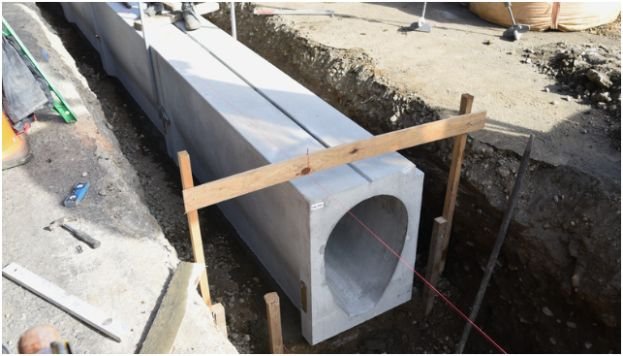
The installation area must be excavated to the correct depth to accommodate the strip drain channel and a suitable bedding layer, often composed of compacted gravel or concrete. This foundation supports the drain and facilitates drainage.
Setting and Aligning the Drain
The strip drain channel is then placed into the prepared trench, ensuring that it is aligned correctly to facilitate efficient water flow toward the drainage outlet. Maintaining a slight gradient within the drain channel is necessary to promote continuous flow and prevent water stagnation.
Securing the Drain Channel
Once aligned, the strip drain is secured in place using concrete or similar stabilising materials to prevent movement. This step also helps integrate the drain structurally with surrounding surfaces, enhancing durability.
Finishing and Surface Restoration
After securing the channel, the surrounding area is backfilled and restored to match the original surface. Proper finishing ensures that the strip drain remains flush with the surface, maintaining accessibility and safety with the help of remedial building services.
Benefits of Using a Strip Drain
Effective Water Management
Strip drains provide an efficient means of collecting and conveying surface water, reducing the risk of standing water and flooding. This is especially important in areas with heavy rainfall or poor soil absorption.
Space Efficiency
The slim design of strip drains means they occupy minimal space while providing substantial drainage capacity. This makes them ideal for use in areas where space is restricted or where maintaining aesthetics is a priority.
Durability and Low Maintenance
Constructed from robust materials, strip drains can withstand heavy loads and harsh environmental conditions. Once installed, they require minimal maintenance, primarily periodic cleaning to remove debris and prevent blockages.
Enhancement of Safety
By preventing water accumulation on walking or driving surfaces, strip drains contribute to safer environments. Reduced standing water decreases the likelihood of slips and falls and minimises ice formation in colder climates.
Environmental Benefits
Strip drains facilitate proper water runoff management, reducing soil erosion and preventing contaminants from accumulating on surfaces. In some designs, they can be integrated with sustainable drainage systems to support groundwater recharge.
Common Challenges and Solutions in Strip Drain Installation
Although strip drains are relatively straightforward to install, certain challenges may arise. Poor site assessment can lead to inadequate drainage, so thorough planning is essential. Additionally, improper alignment or gradient can cause water pooling within the drain.
Ensuring appropriate materials are chosen in line with expected traffic load is another critical factor. Heavy traffic areas require more robust drain designs to prevent damage. Periodic inspection and maintenance help address blockages from debris and extend the lifespan of the drain with expert property management solutions.
Comparing Strip Drains with Other Drainage Solutions
Strip drains are often compared with traditional grated drains and pit drainage systems. While grated drains can handle larger volumes, they require more space and can be visually intrusive. Pit systems may offer significant capacity but involve complicated installation and maintenance.
In contrast, strip drains provide a balance of capacity, space efficiency, and ease of installation, making them suitable for many standard drainage needs. Their flush design is less obtrusive and integrates well with paved surfaces.
Conclusion
The importance of effective drainage in construction and landscaping cannot be overstated. The strip drain offers a practical, durable, and efficient solution for surface water management. Understanding its installation requirements and recognising its benefits allows property owners, builders, and landscape planners to implement drainage solutions that protect structures, enhance safety, and support environmental sustainability.
Careful planning, correct installation, and regular maintenance ensure that strip drains perform effectively over their lifespan. Considering these factors contributes to the successful mitigation of water-related issues in both residential and commercial environments.