
When it comes to display technology, we’ve come a long way from the bulky CRT monitors to sleek OLED and LED screens. But one technology that’s gaining massive traction right now is Quantum Dot Display technology. No matter what, If you are looking for a TV upgrade or seeking to improve the color accuracy on your computer monitor, understanding how quantum dots work is crucial.
What Is Quantum Dot Display Technology?
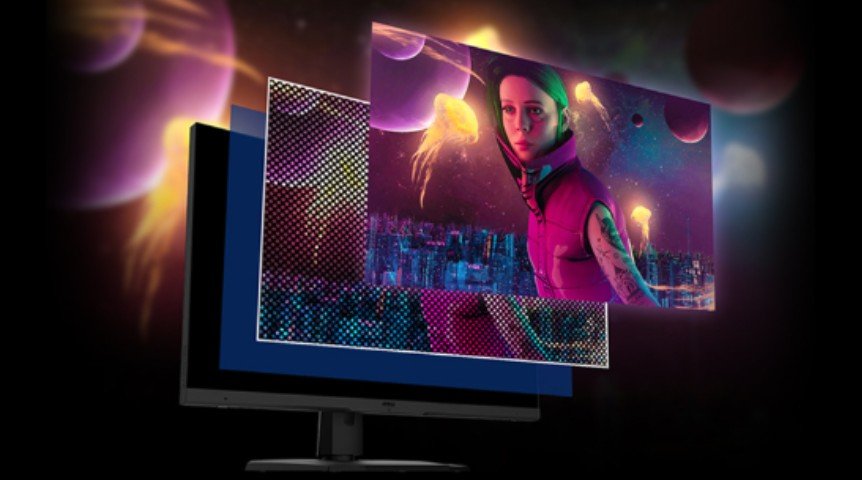
Quantum Dot technology uses tiny, nanometer-sized semiconductor crystals known as quantum dots. These dots are placed in a film layer between the backlight and the screen, emitting light when exposed to it.
The key selling point of quantum dots is their ability to produce more vibrant colors and greater brightness, something that traditional LCD displays struggle with. Quantum Dot displays are commonly found in QLED TVs, monitors, and even some smartphones.
How Do Quantum Dots Work?
The basic principle behind Quantum Dot technology is that these dots can emit very precise colors when light hits them. The color produced depends on the size of the quantum dot. Smaller dots emit blue light, while larger dots emit red light. The combination of these precisely controlled colors results in a wider color gamut compared to older technologies like LCD.
This precision in color reproduction is one of the reasons Quantum Dot Displays are favored by those looking for the most realistic and vibrant visual experience.
The Advantages of Quantum Dot Displays
Quantum Dot Displays offer several significant advantages over traditional display technologies like LCD and even OLED.
1. Superior Color Accuracy
Quantum Dot technology is known for its ability to reproduce more accurate colors. In fact, Quantum Dot displays can cover up to 100% of the sRGB color spectrum, which is a huge leap forward in achieving true-to-life images. This is one of the reasons QLED TVs are quickly becoming a favorite in households across the U.S.
2. Increased Brightness
Another standout feature is brightness. Quantum Dots allow for brighter displays, making them ideal for rooms with a lot of natural light or for outdoor use. In fact, QLED displays are among the brightest displays available on the market today.
3. Energy Efficiency
Compared to OLED, which uses organic materials that can degrade over time, Quantum Dot Displays tend to be more energy-efficient. The light-emitting quantum dots require less power to produce brighter, more vibrant images, which can lead to lower electricity bills over time.
4. Longer Lifespan
Since quantum dots don’t suffer from the same burn-in issues as OLED screens, Quantum Dot Displays have a longer lifespan. This means no worrying about image retention or pixel degradation with prolonged use.
QLED vs OLED: Which Is Better for You?
If you’re considering upgrading your TV or monitor, chances are you’ve come across QLED and OLED displays. Both technologies have their advantages, but how do they compare?
- OLED displays offer the best contrast ratios because each pixel is self-illuminating and can turn off completely, giving you true blacks.
- QLED, on the other hand, uses quantum dots to enhance brightness and color accuracy, but it still relies on a backlight for illumination.
In short, if you want better blacks and contrast, OLED might be your pick. But if you prefer brighter displays with more vibrant colors, QLED and Quantum Dot technology would be a better choice.
Where Are Quantum Dot Displays Used?
Quantum Dot Displays are finding their way into multiple consumer electronics. Here are just a few common applications:
1. TVs
The most popular use of quantum dot technology is in QLED TVs. Major brands like Samsung and TCL have incorporated Quantum Dot technology into their high-end television models, offering superior picture quality and brightness compared to traditional LED TVs.
2. Computer Monitors
If you’re a designer, gamer, or someone who spends long hours in front of a computer, Quantum Dot Monitors can improve your productivity by offering sharper, more vibrant visuals. Whether you’re working on graphic design projects or gaming, quantum dots ensure a more immersive experience.
3. Smartphones and Tablets
Some smartphones are also integrating quantum dot technology, especially in their displays. These devices offer better color reproduction and brighter screens for outdoor use.
How to Choose a Quantum Dot Display for Your Needs
When shopping for a Quantum Dot Display, there are a few things you’ll want to consider based on your specific needs:
- Size: Whether you need a large 65-inch TV for your living room or a 27-inch monitor for your workspace, quantum dot displays come in a variety of sizes.
- Resolution: Look for 4K or 8K resolution options for ultra-sharp visuals. Many QLED TVs today are available with 4K resolution.
- Gaming Features: If you’re a gamer, look for a Quantum Dot monitor or TV with high refresh rates (120Hz or more) for smoother gameplay.
Frequently Asked Questions
1. Are Quantum Dot Displays Better Than LED?
Yes, Quantum Dot displays generally offer better color accuracy, higher brightness, and greater energy efficiency than traditional LED displays. They also don’t suffer from issues like image burn-in, making them ideal for long-term use.
2. Do Quantum Dot Displays Use OLED Technology?
No, Quantum Dot technology is distinct from OLED. While OLED panels use organic compounds to create light, Quantum Dots use inorganic semiconductor materials to emit light. However, both technologies offer superior color reproduction compared to traditional LCDs.
3. How Long Do Quantum Dot Displays Last?
Quantum Dot Displays typically last longer than OLED screens because they do not suffer from burn-in. You can expect a Quantum Dot Display to last for 10+ years with regular use, depending on the brand and usage.
4. Can Quantum Dots Improve My Gaming Experience?
Absolutely! Quantum Dot technology enhances color accuracy, brightness, and contrast, which are all important for an immersive gaming experience. Look for monitors with high refresh rates and low latency to get the best performance.
Conclusion
Quantum Dot Display technology is certainly a game-changer when it comes to color accuracy, brightness, and energy efficiency. While upgrading your TV, monitor, or even your smartphone, Quantum Dots offer superior performance compared to traditional displays. If you want a display that’s not only vibrant but also long-lasting, it’s definitely worth considering a Quantum Dot Display.
As we move forward, I’m excited to see how Quantum Dot Displays continue to evolve, offering even more value in various tech spaces. If you’re in the market for a new display, I highly recommend checking out QLED TVs or Quantum Dot monitors to experience the future of screen technology today.