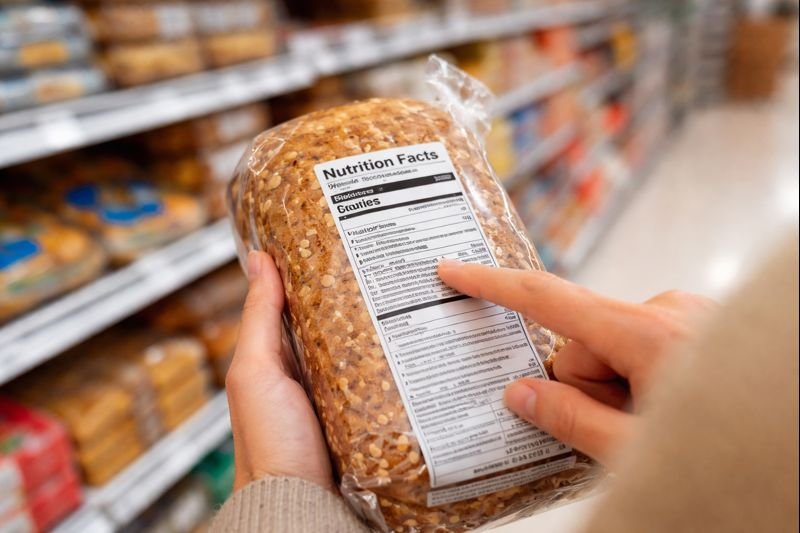
Reading a nutrition label correctly can feel like cracking a code, especially when grocery store shelves are packed with flashy claims and tiny print. Early in my own food-label journey, I’d grab whichever snack looked “healthy” only to discover later I’d eaten way more sugar or sodium than I intended.
Over time, I learned that mastering how to read a nutrition label properly isn’t about memorizing numbers; it’s about seeing through misleading packaging and making smarter decisions for real life.
If you grocery shop in mainstream American stores, whether it’s at a big box retailer, a regional supermarket, or even a local convenience store, you’ll notice how often products with “natural” or “light” badges don’t actually match up with what’s inside.
The good news? Once you understand the structure of the Nutrition Facts label and common traps manufacturers rely on, you gain a real advantage. You’ll shop faster, waste less money, and choose foods that better support your health goals.
Understand Serving Size Before Anything Else
Everything on a nutrition label, calories, fat, sugar, is based on the serving size, not the whole package. Serving sizes are set by the Food and Drug Administration to help you compare similar products, but they don’t necessarily reflect how much you’ll actually eat.
A classic example is beverage bottles. A “single-serving” tea bottle might look like one drink, but the fine print could show 2.5 servings per container. If you drink the entire bottle in one sitting, as most of us do, you’ve consumed 2.5 times the calories, sugar, and sodium listed in the main line. That’s a math mistake that affects every nutrient value.
Before you let your eyes jump to calories or added sugars, take a second to scan:
- Servings Per Container
- Serving Size (in both common and metric units)
Once you know the serving size, you have the right context for everything that follows.
Use The 5/20 Rule To Gauge Nutrients Quickly
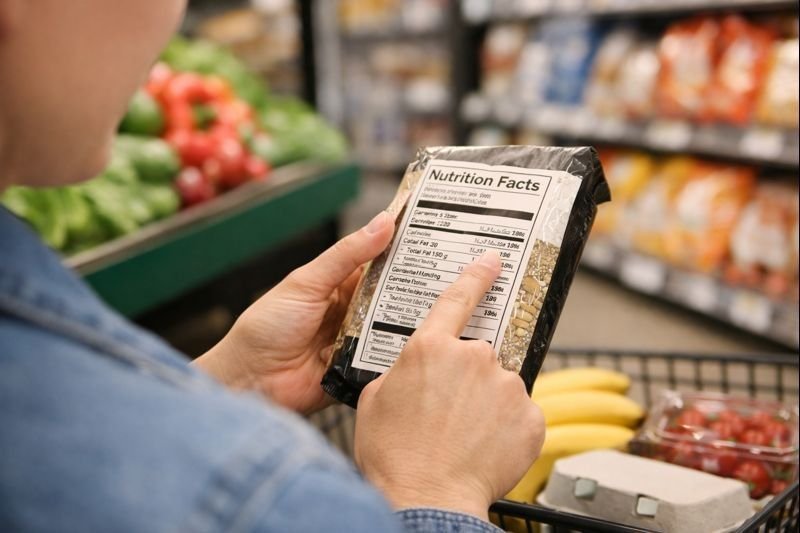
The percent Daily Value (%DV) is one of the most useful parts of the label, and it’s based on a 2,000-calorie daily diet, which is a standard reference point in the US. Looking at %DV lets you assess whether a food is high or low in a nutrient that matters to you without doing too much math.
Here’s a quick trick that works in everyday shopping:
- 5% DV or less is LOW. Good to see low %DV for saturated fat, sodium, and added sugars.
- 20% DV or more is HIGH. Great if you want more of something like fiber, calcium, or iron.
For example, if a snack has 25% DV of sodium, that’s a significant amount of your recommended intake in one sitting, something to be cautious about if you’re watching blood pressure.
Be A Sugar Detective And Watch Out For Trans Fats
Sugar and trans fats are two of the biggest label traps that can easily mislead shoppers, especially in products marketed toward kids or sold in the snack aisle.
Hidden Sugars
Manufacturers often mask sugar by using multiple names so that no single “sugar” ingredient has to appear at the top of the ingredients list. Words you’ll commonly see include:
- High fructose corn syrup
- Dextrose, maltose, or glucose
- Fruit juice concentrate
- Agave nectar
Even if “sugar” itself isn’t the first ingredient, multiple forms of sweeteners can add up fast. A product that seems low in sugar could actually be packed full of sweeteners with different names.
Trans Fat Trick
If a product contains less than 0.5 grams of trans fat per serving, US labeling laws allow the company to list 0g trans fat. That means you could still be eating it without realizing. The smarter tactic is to scan the ingredient list: if you see partially hydrogenated oil, there’s trans fat in that product, regardless of what the tiny “0g” says.
Ignore Front-Of-Package Gimmicks, Read The Back
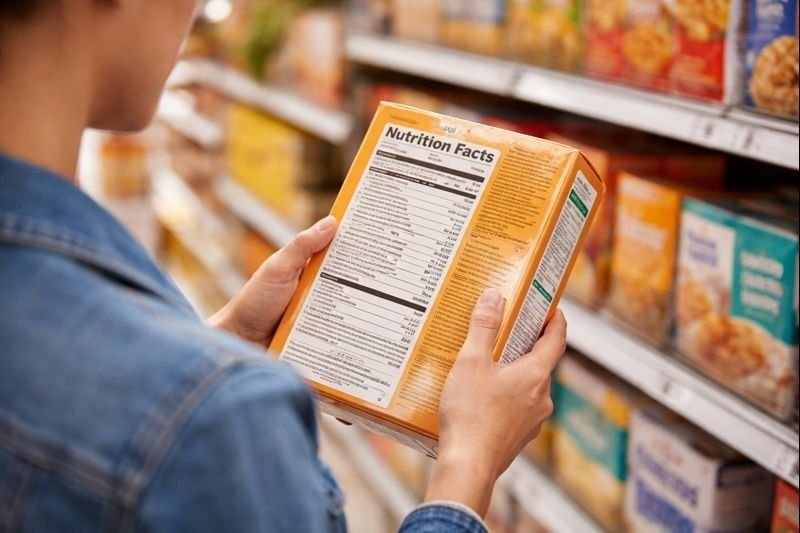
The front of a package is where marketing lives. Buzzwords like “Natural,” “Multigrain,” or “Lite” are designed to make you feel good, but they rarely paint the whole picture.
- Natural: Not a regulated term for many products. Even sugar is technically “natural.”
- Multigrain: Means more than one grain type, but not necessarily whole or nutritious grains.
- Light/Lite: Might mean lighter in color or lower in fat, but could have more sugar or sodium to compensate.
Always flip the package and use the Nutrition Facts and ingredients list to see what’s really inside.
Frequently Asked Questions (FAQs)
1. What Is The Most Important Part Of A Nutrition Label To Look At First?
Start with the serving size and servings per container. All other figures are based on this amount, so misunderstood serving sizes are the biggest source of label errors.
2. Can I Rely On The Calories Listed On Nutrition Labels?
Yes, calories are standardized, but keep in mind they are tied to the serving size. If you eat more than one serving, you must multiply the calories and nutrients accordingly.
3. How Do I Identify Added Sugars On A Label?
Look at the line for Added Sugars and also read the ingredient list for sweeteners like corn syrup, dextrose, or fruit juice concentrate; these count as added sugars even if “sugar” isn’t listed first.
4. Why is % Daily Value Useful?
%DV helps you quickly assess if a nutrient is low or high compared to daily recommendations, especially helpful when comparing similar products at the store.
Final Thoughts
Learning how to read nutrition labels correctly doesn’t happen overnight, but once you commit to paying attention to serving sizes, % Daily Value, and hidden ingredients, you’ll shop and eat with much greater confidence. It transforms what used to be a guessing game into a series of informed decisions that support better health outcomes, especially in a US food environment full of clever marketing.
As you build this skill, you’ll start spotting common traps without even thinking about it. You’ll compare products faster, choose options that align with your goals, and avoid surprises at checkout or in your calorie and sodium counts.