
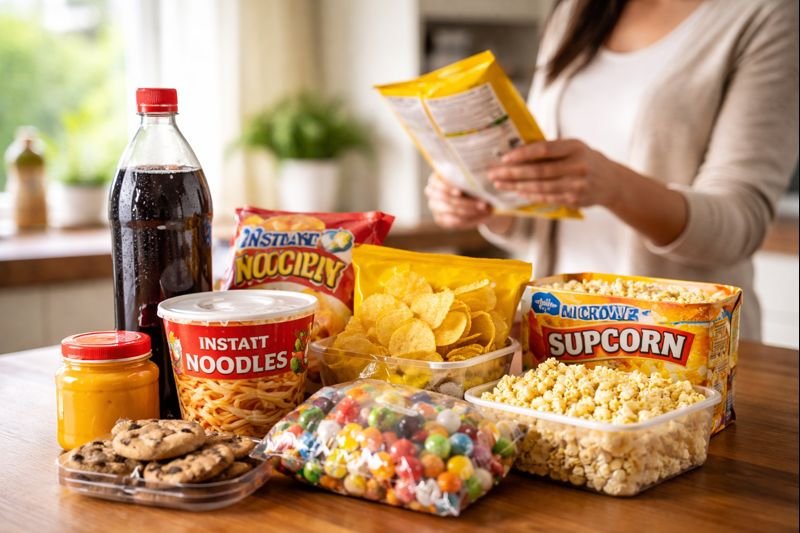
Most of us don’t start grocery shopping thinking about long-term health. We’re thinking about time, convenience, and what our families will actually eat. I’ve stood in plenty of grocery aisles staring at labels, wondering how something marketed as “healthy” could have a paragraph-long ingredient list. Over time, patterns start to show up, and they’re not accidental.
Packaged foods make up a huge part of the modern diet. The issue isn’t packaged food itself; it’s what goes into many of them. Certain ingredients show up again and again, quietly increasing the risk of heart disease, type 2 diabetes, gut issues, and chronic inflammation. Once you know what to look for, label reading becomes less overwhelming and far more empowering.
Why Ultra-Processed Ingredients Matter More Than Calories
Long-term health isn’t just about calories or fat grams. It’s about how food interacts with the body over years, not days. Ultra-processed ingredients are designed for shelf life, texture, and flavor, not for how your metabolism, gut, or cardiovascular system responds to them.
These ingredients are especially common because they’re cheap, stable, and approved for widespread use. That doesn’t always mean they’re harmless when consumed regularly.
Unhealthy Fats And Refined Grains That Add Up Over Time
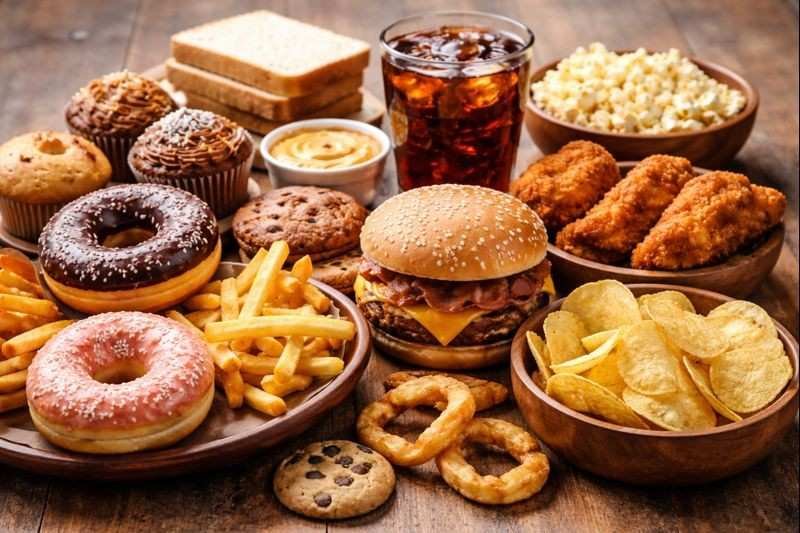
One of the biggest red flags on food labels is the type of fat and grain being used. These ingredients often replace whole foods with cheaper, more processed alternatives.
Trans fats, still found through “partially hydrogenated oils” in some baked goods and snacks, are strongly associated with higher LDL cholesterol and increased heart disease risk. Even small amounts, eaten consistently, can have a cumulative effect.
Refined grains like white flour strip away fiber and nutrients, leading to rapid blood sugar spikes. Over time, this pattern contributes to insulin resistance and weight gain. Palm oil and certain vegetable oils, commonly used in U.S. packaged foods, are high in saturated fats and have been linked to inflammation when consumed frequently.
Hidden Sugars And Sweeteners That Disrupt Metabolic Health
Sugar isn’t always obvious. In fact, many packaged foods rely on multiple forms of sugar to make products taste better without looking overly sweet on the label.
High-fructose corn syrup, dextrose, maltodextrin, and maltose often appear in savory foods like sauces, breads, and salad dressings. These sugars drive blood sugar spikes and encourage overeating by bypassing normal fullness signals.
Artificial sweeteners such as aspartame, sucralose, and saccharin are marketed as better alternatives, but research suggests they may disrupt gut bacteria and metabolic regulation. Sugar alcohols like xylitol and erythritol, common in “keto” or “sugar-free” products, can cause digestive distress and have raised concerns around cardiovascular health in recent studies.
Preservatives And Chemical Additives Linked To Chronic Disease
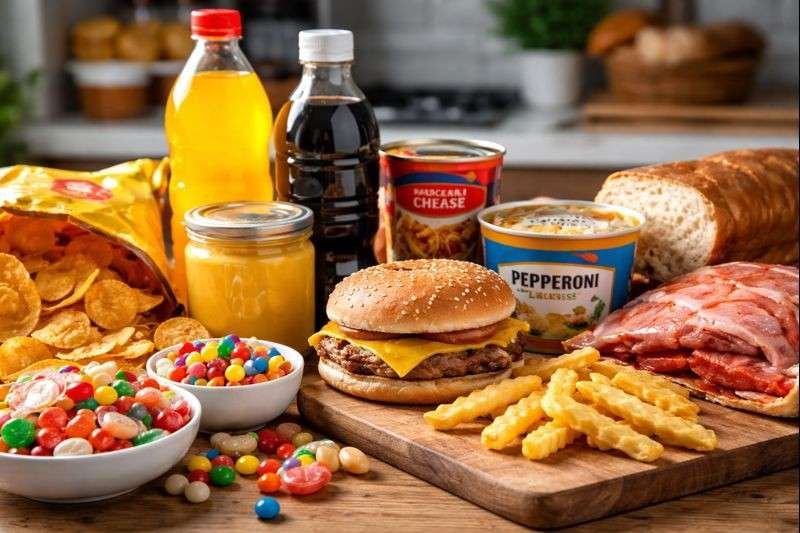
Preservatives are everywhere in packaged foods, especially in the U.S., where shelf life is a major priority. The concern isn’t occasional exposure, it’s repeated intake over years.
Sodium nitrates and nitrites, commonly found in bacon, hot dogs, and deli meats, are associated with increased colorectal and stomach cancer risk. Dough conditioners like potassium bromate and azodicarbonamide are still used in some breads, despite being banned in many other countries due to cancer concerns.
Synthetic antioxidants such as BHA and BHT preserve fats in cereals and snack foods, but they’re classified as possible human carcinogens. Sodium benzoate, when combined with vitamin C, can form benzene, a chemical linked to blood cancers.
Texturizers And Dyes That Affect Gut And Neurological Health
Texture and appearance sell food. That’s why emulsifiers, thickeners, and dyes are heavily used in U.S. packaged products.
Synthetic emulsifiers like polysorbates and carboxymethyl cellulose can disrupt the gut microbiome and increase intestinal inflammation. Carrageenan, often added to dairy alternatives and processed meats, has been linked to gut irritation and glucose intolerance.
Artificial colors such as Red 40, Yellow 5, and Yellow 6 are still widely used in the U.S. These dyes have been associated with hyperactivity in children and potential DNA damage, raising concerns about long-term exposure.
Flavor Enhancers That Mask Poor Ingredients

Flavor enhancers exist to make ultra-processed foods irresistible. Monosodium glutamate (MSG) is generally considered safe for most people, but sensitive individuals may experience headaches, flushing, or nausea. The bigger issue is that these enhancers often mask low-quality ingredients, encouraging overconsumption.
A Simple Label-Reading Habit That Actually Works
You don’t need to memorize every chemical name to eat better. One habit makes a real difference:
- Check the first three ingredients on the label. If they include sugar, salt, refined flour, or unhealthy oils, the product is likely low in nutritional value, even if the front label looks healthy.
This approach works consistently in grocery stores and helps filter out the worst options quickly.
Frequently Asked Questions (FAQs)
1. Are All Packaged Foods Bad For Long-Term Health?
No. Many packaged foods like frozen vegetables, plain yogurt, and canned beans, are minimally processed and nutritious. The issue is ultra-processed ingredients, not packaging itself.
2. How Can I Spot Harmful Ingredients Quickly While Shopping?
Focus on ingredient length and familiarity. Short lists with recognizable foods are usually safer. Watch for multiple forms of sugar or chemical preservatives clustered together.
3. Are “Organic” Packaged Foods Always Healthier?
Not always. Organic products can still contain refined grains, added sugars, and emulsifiers. Organic status doesn’t automatically mean low processing.
4. Should Children Avoid Artificial Colors Completely?
Many pediatric experts recommend limiting artificial dyes due to links with hyperactivity and behavioral changes. Choosing dye-free options when possible is a practical approach.
Final Thoughts
Long-term health isn’t shaped by one perfect grocery trip. It’s shaped by patterns, what we eat most often, not occasionally. Packaged foods are unavoidable, but ultra-processed ingredients don’t have to be a daily norm. Learning which ingredients to avoid shifts the focus from fear to awareness, and from restriction to smarter choices.
Small label-reading habits, practiced consistently, can reduce inflammation, support gut health, and protect cardiovascular health over time. That’s where meaningful change actually starts.